Noise Management & Sleep Habit Programmes
Sound and daily habits are the two most underestimated factors in sleep environment quality. Our programmes address both with precision and practicality.
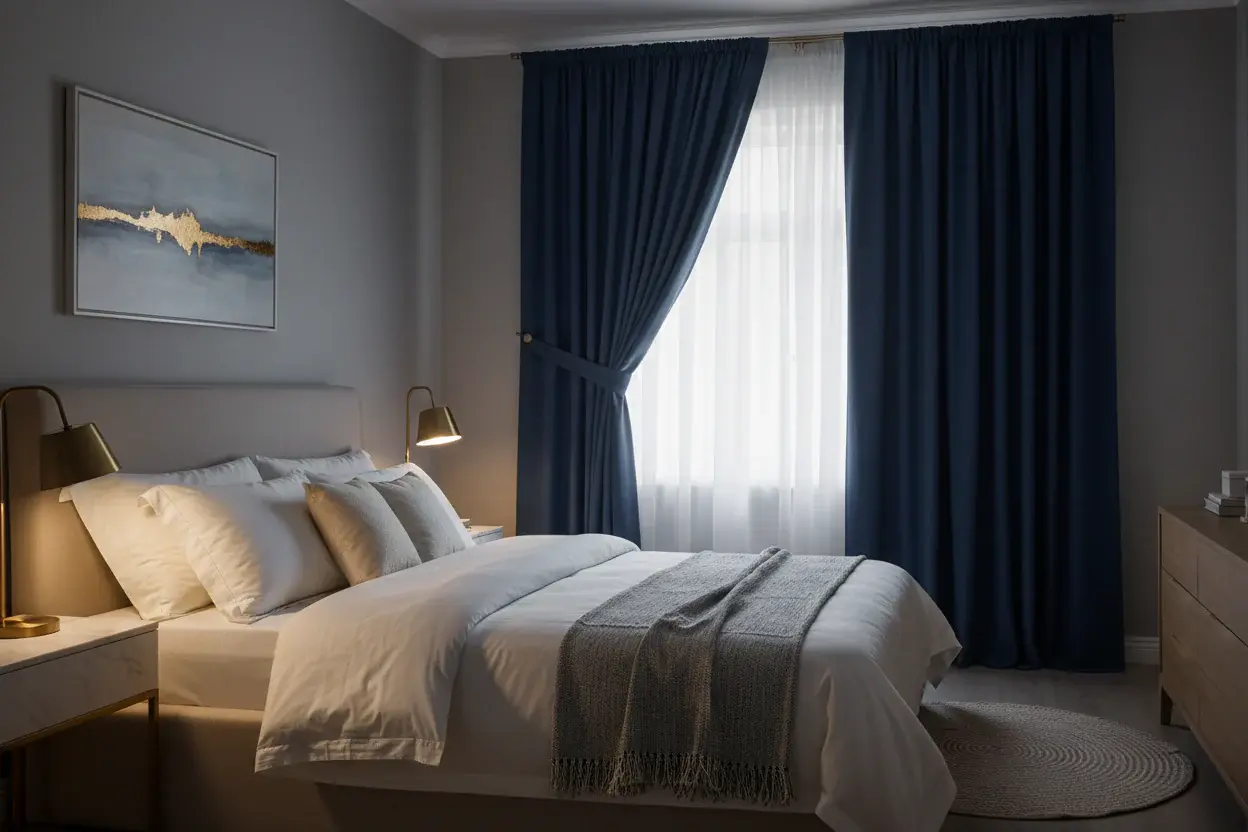
Sound Shapes the Quality of Your Rest
The acoustic environment of your bedroom directly affects how deeply you sleep and how often you surface from restorative sleep stages. Unpredictable or intrusive sounds — such as traffic, neighbour noise, or a partner's movement — cause micro-arousals that fragment sleep without you necessarily waking fully.
Conversely, consistent low-frequency background sound, often called pink or brown noise, can mask disruptive sound peaks and help maintain sleep continuity. Our Noise Management programme begins with a thorough acoustic assessment of your environment and ends with a tailored action plan.
- Bedroom acoustic assessment and noise mapping
- Soundscape recommendations including masking techniques
- Structural and soft-furnishing guidance to reduce reflection
- Earplugs and passive noise reduction options where appropriate
Evening Routines That Prepare Your Mind and Body
Consistent pre-sleep habits are powerful environmental signals in their own right. Here are the core principles we apply in our habit structuring programmes.
Consistent Bedtime Window
Going to bed and rising at the same time each day — including weekends — is one of the most robust ways to stabilise your sleep-wake cycle. Variability of more than one hour from night to night measurably degrades sleep quality.
Wind-Down Protocol
A structured 45-to-60 minute wind-down period before bed, free from stimulating activities, helps lower physiological arousal and signals the body to prepare for sleep. We design this protocol around your existing schedule.
Stimulant Timing
Caffeine has a half-life of approximately five hours. Consuming it after early afternoon can measurably reduce the quality of deep sleep even when you fall asleep at a normal time. We help you identify optimal cut-off points for your metabolism.
Cognitive Wind-Down
Journaling, light reading, or structured breathing exercises before bed reduce cognitive arousal — a primary cause of difficulty initiating sleep. We provide guidance on which techniques are most effective for different personality profiles.
Physical Activity Timing
Regular physical activity strongly supports healthy sleep patterns. However, vigorous exercise within two to three hours of bedtime can delay sleep onset for some individuals. Our programmes account for your existing exercise habits.
Bedroom Association
Using the bedroom exclusively for sleep and rest strengthens the mental association between the space and relaxation, a concept known as stimulus control. We guide you through practical adjustments to reinforce this association.
Noise & Habits — Frequently Asked Questions
Behavioural and environmental changes form the foundation of sustainable sleep improvement and are widely considered the most effective long-term approach. While individual results vary, consistent application of structured habit changes produces meaningful improvements for the majority of people who follow them carefully.
We always focus on practical, achievable solutions within your actual living situation. This may include masking techniques, strategic use of soft furnishings to reduce sound transmission, targeted earplugs, or structured sleep timing to avoid peak noise periods. Our assessments are always realistic and tailored to your specific circumstances.
Building a new consistent habit typically takes between three and six weeks of regular practice, depending on the individual and the complexity of the change. Our programmes are structured to support you through this adaptation period with check-ins and adjustments to keep progress on track.
Consistent background noise at appropriate volume levels (typically below 65 dB) is considered safe and is used routinely in clinical settings. However, dependence on a single masking sound is not always ideal for long-term flexibility. Our programmes take a balanced approach, building resilience alongside any masking tools used.